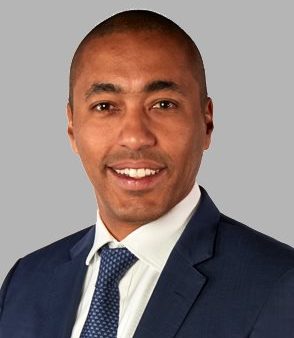
MGC Chair Maynard raises concerns about prediction markets and youth exposure as gambling risks grow across an expanding, fragmented market.
Massachusetts Gaming Commission (MGC) Chair Jordan Maynard has warned that the expanding U.S. gambling sector is increasing the risk of harm. He highlighted advertising and youth exposure on unregulated platforms such as prediction markets as key areas of concern, even as the state continues to position itself as a leader in responsible gaming policy.
Speaking on WCVB’s “On the Record,” Maynard outlined the Commission’s approach to problem gambling while raising concerns over unregulated and emerging products operating outside traditional oversight frameworks.
Maynard Points to Responsible Gaming “Firsts”
When asked if the Commission is doing enough to combat problem gambling, Maynard pointed to what he described as industry-leading measures to reduce gambling-related harm.
We have a research and responsible gaming department that is second to none… internationally recognized,” he said.
He added that Massachusetts is the only jurisdiction with a dedicated full-time staff focused exclusively on responsible gaming.
The state offers tools such as:
- Deposit, time, and budgeting limits
- A statewide voluntary self-exclusion system covering casinos, sportsbooks, and racetracks
- Restrictions on direct marketing to self-excluded players
Maynard highlighted that the MGC was the first to require age limit labels across venues with gambling advertising. Recently, the state became the first to require operators to inform bettors of any limit within 48 hours, explain the reason for the decision, and list the affected markets.
Another high-profile effort by the MGC came last year, when a state-record $450,000 fine against DraftKings for failing to block credit card deposits preceded the operator’s decision to stop accepting credit card deposits nationwide.
Prediction Markets Framed Alongside Illegal Operators
But while the state is working on imposing limits and reducing problem gambling, Maynard warned of illegal platforms and unregulated ones, such as prediction markets, as a major source of youth exposure.
The legal market… has robust technologies in place… [but] the illegal market and these prediction markets, they openly target people who are under 21,” he said.
Because they operate under federal derivatives laws, prediction markets allow users over 18, compared to the 21+ requirement for regulated sportsbooks and casinos. Multiple reports suggest prediction market operators are gaining traction among younger users.
Earlier this year, questions emerged about potential insider trading in markets for Super Bowl halftime celebrity appearances on college campuses. Some users suggested that individuals linked to the celebrities shared information on whether they would attend.
A Wall Street Journal report found that platforms such as Kalshi and Polymarket have actively promoted themselves on social media, including TikTok and Instagram. That includes paid (but undisclosed) creator content and campus-level engagement.
Massachusetts is among the states that have taken notice of prediction markets. The state was the first to secure a court ruling blocking Kalshi from offering contracts for sports-related events. However, the operator later obtained a stay allowing it to continue operating while litigation proceeds.
Maynard has said he supports the lawsuit, arguing that prediction markets facilitate illegal sports betting.
MGC to Partner with BetBlocker
Speaking about underage gambling at unregulated platforms, Maynard announced that the Commission is partnering with BetBlocker, a gambling blocking software tool.
He highlighted that parents can install BetBlocker on their children’s phones, and the software will not only block licensed gambling sites, but also illegal offshore platforms and prediction markets.
Maynard Calls For Federal Advertising Rules
The MGC Chair also raised concerns about the volume of gambling advertising.
“There’s too much advertising… they annoy me,” he said, but acknowledged that regulators cannot impose bans due to First Amendment protections.
Instead, he suggested that gambling advertising could be addressed at the federal level through national guidelines. The framing aligns with Maynard’s broader concerns about the rapid expansion of gambling across the U.S.
Last year, he cautioned that the national market risks becoming a “highway without speed limits“ if consumer protections fail to keep up with innovation.
Gambling advertising rules vary greatly across the U.S.
For example, New York has strict rules on messaging and ensuring ads do not target minors. Tennessee requires operators to submit all marketing material to the regulator before publication and prohibits celebrity endorsement. States such as Florida, Indiana, and Pennsylvania do not impose some of these requirements.
There have been efforts at the federal level to introduce national advertising standards. New York Representative Paul Tonko has sponsored legislation in three straight years, but his efforts have seen limited interest among lawmakers.
The post Massachusetts Regulator Flags Prediction Market Risks Amid Growing Gambling Concerns appeared first on Gambling Insider.